Bedouin Culture in Sinai: What to Expect on a Desert Safari
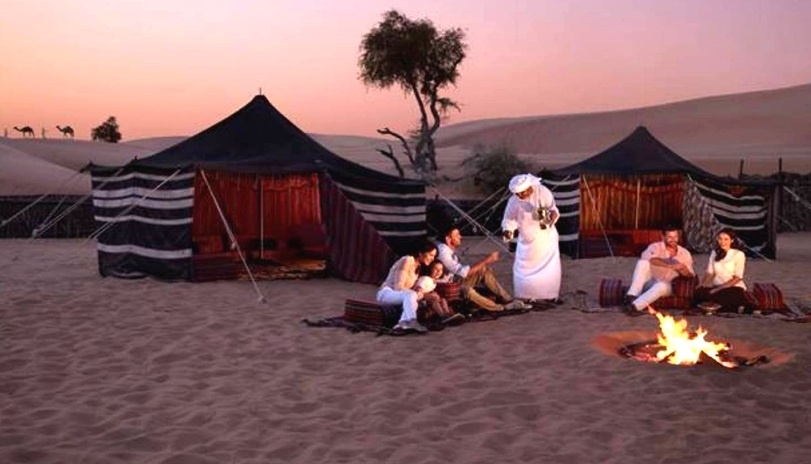
Almost every desert safari from Sharm El Sheikh stops at a Bedouin camp for tea. Here is a little background on the Bedouin of South Sinai, their customs, and how to be a good guest.
Long before Sharm El Sheikh had hotels, the mountains and wadis of South Sinai were home to Bedouin tribes who moved with their camels and goats between wells and seasonal grazing. Today most Bedouin families live in settled villages, and many work in tourism, but their hospitality, food and knowledge of the desert are still at the heart of every safari.
The Bedouin of South Sinai
South Sinai is home to several tribes, each traditionally linked to its own territory.
- The Muzeina are the largest tribe in South Sinai, traditionally living along the coast and in the mountains between Sharm El Sheikh, Dahab and Nuweiba.
- The Jebeleya live around St Catherine and Mount Sinai and have a long history of working with St Catherine's Monastery.
Other tribes live further north and inland. Tribal ties, family and hospitality still shape daily life, from how disputes are settled to who guides visitors through which valleys.
Bedouin hospitality and tea
The first thing offered to a guest in a Bedouin tent is tea. It is black tea brewed strong and sweet over the fire, often flavoured with desert herbs such as habaq (wild mint) or maramiya (sage). Refusing tea entirely can seem unfriendly, so accept at least one small glass.
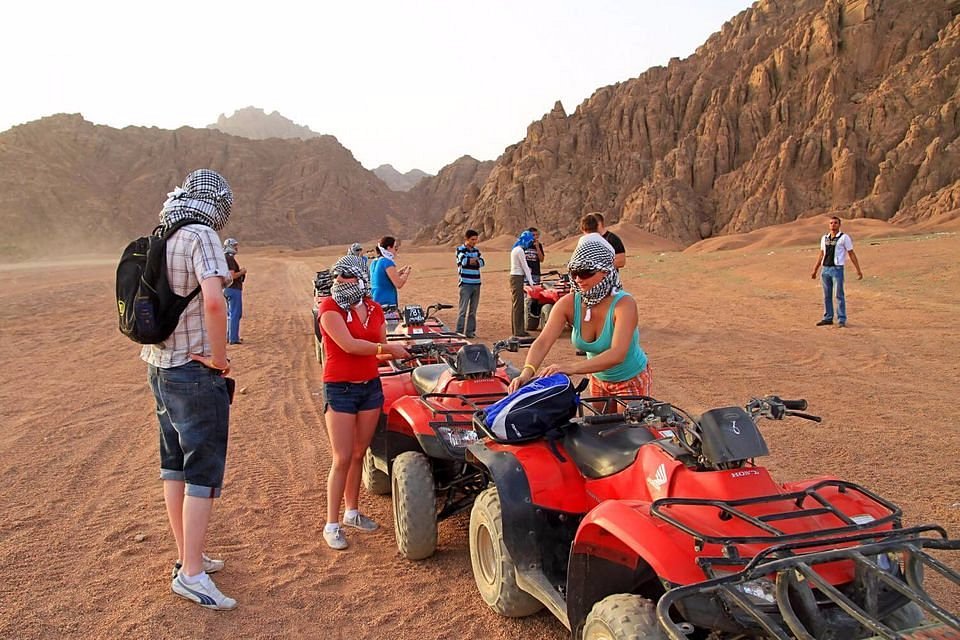
On our quad safaris and buggy safaris, the stop at a Bedouin village or tent is exactly this: time to sit on carpets in the shade, drink tea and hear about desert life.
Bedouin food
Traditional Bedouin cooking is simple and made for the desert:
- Flatbread baked over the fire or in the embers, eaten with almost everything.
- Slow-cooked meat and rice for celebrations and guests.
- Dates, goat's milk and cheese.
On the Super Safari and the Super Sand Buggy Safari, the evening ends with an open-air dinner at the camp. For more on Egyptian dishes to try in town, see our food guide.
What's traditional and what's a show?
We like to be honest about this. The evening shows at safari camps usually feature tanoura (the spinning dance with colourful skirts) and belly dancing, followed by a fire show. These are wonderful entertainment and much loved by guests, but they come from wider Egyptian tradition rather than Bedouin culture specifically. The tea, the bread, the camels and the hospitality are the genuinely Bedouin parts of the evening.
Camels
Camels have carried Bedouin families and their goods across Sinai for centuries. A sunset camel ride on the Super Safari, or the coastal camel ride to Dahab on the Colored Canyon tour, is a gentle way to experience the desert at a camel's pace.
Being a good guest
- Ask before photographing people, especially women and children. Photos of the landscape, camels and tents are fine.
- Dress modestly when visiting villages: cover shoulders and knees.
- Use your right hand to accept food and drink.
- Remove your shoes when stepping onto carpets in a tent, if your hosts do.
- Buy crafts directly from Bedouin women if they are offered; it supports families.
- Leave no litter. The desert looks empty, but it is someone's home.
Frequently asked questions
What tribe of Bedouin live near Sharm El Sheikh?
The Muzeina, the largest tribe in South Sinai, traditionally live along the coast and mountains between Sharm El Sheikh, Dahab and Nuweiba. The Jebeleya live around St Catherine.
What is Bedouin tea?
Bedouin tea is strong, sweet black tea brewed over a fire, often flavoured with desert herbs such as habaq (wild mint) or maramiya (sage). It is served to every guest as a sign of hospitality.
Do desert safaris from Sharm El Sheikh visit a real Bedouin village?
Our quad and buggy safaris stop at a Bedouin village or tent for tea and a chance to learn about desert life. The evening safaris continue to a desert camp for dinner and a show.
Is the tanoura dance a Bedouin tradition?
No. Tanoura and belly dancing are part of wider Egyptian tradition. They are performed at safari camps as entertainment, while the tea, bread and hospitality are the Bedouin elements of the evening.
Ready for Your Desert Adventure?
Book now & get instant confirmation • Tours from €15/person
Share this article
Help others discover this guide
Start Your Sharm El Sheikh Adventure Today
Experience the magic of Egypt's desert landscapes with our expertly guided tours. From thrilling quad bike safaris to serene camel rides under the stars.
Related Experiences You Might Enjoy
- From €24.00⭐ 4.90
Explore Super Safari From Sharm El Sheikh
The ultimate evening desert adventure: quad biking, camel ride at sunset, Bedouin dinner and traditional shows — hotel pickup included.
View Experience 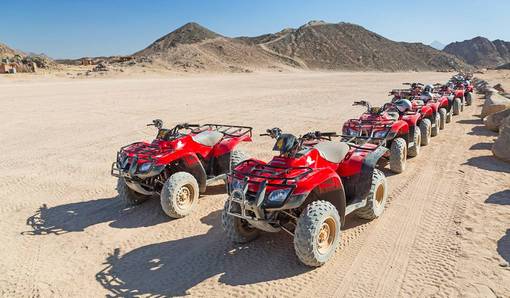 From €15.00⭐ 4.80
Explore Morning 3-Hours Quad Safari From Sharm El Sheikh
Ride quad bikes through the Sinai Desert, visit a traditional Bedouin village and enjoy Arabic tea — hotel pickup included.
View Experience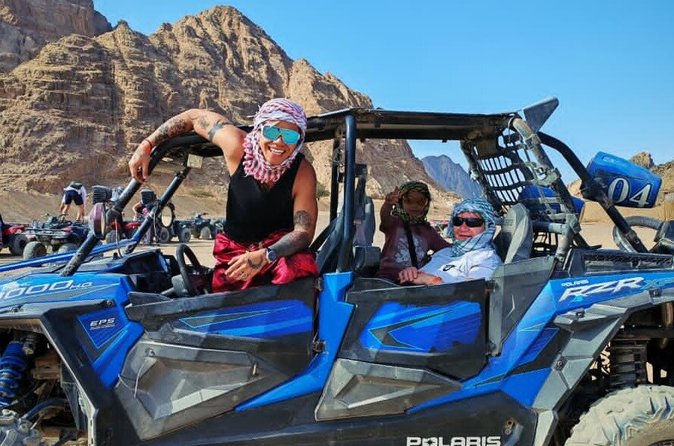 From €25.00⭐ 4.80
Explore Super Sand Buggy Safari From Sharm El Sheikh
Evening desert adventure: 1-hour buggy ride, Echo Temple stop, Bedouin dinner, tanoura show and optional camel ride at sunset — hotel pickup included.
View Experience
Related Articles
Where to Stay in Sharm El Sheikh: Naama Bay, Sharks Bay, Nabq or Hadaba?
Sharm El Sheikh is a string of bays spread along 30 km of coast, and the area you pick shapes your whole holiday. Here is how Naama Bay, Sharks Bay, Nabq, Hadaba and Old Market compare, from people who drive between them every day.
Sharm El Sheikh Visa Guide: Sinai Stamp, Visa on Arrival or E-Visa?
Many visitors to Sharm El Sheikh can enter on a free Sinai-only stamp, but it has limits that matter if you plan day trips. Here is how the stamp, the visa on arrival and the e-visa compare.
Tiran Island Snorkeling Guide: Jackson, Woodhouse, Thomas and Gordon Reefs
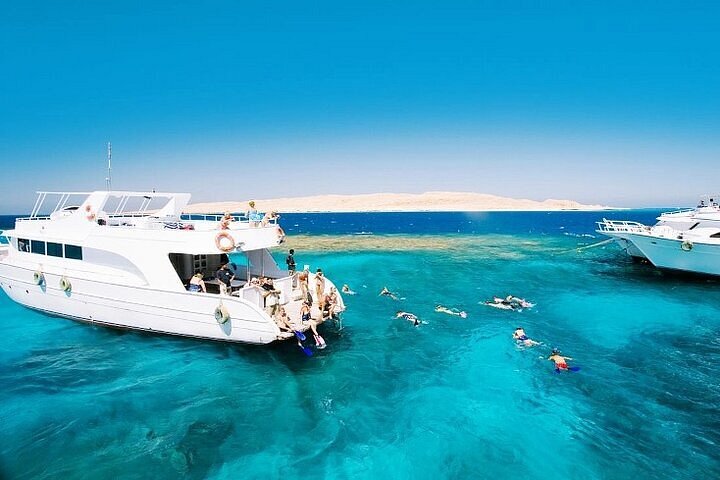
The Strait of Tiran holds four of the most famous reefs in the Red Sea, two of them topped by shipwrecks. Here is what makes them special, what you will see and how a snorkeling day from Sharm works.