Is Sharm El Sheikh Safe? Practical Advice for Visitors
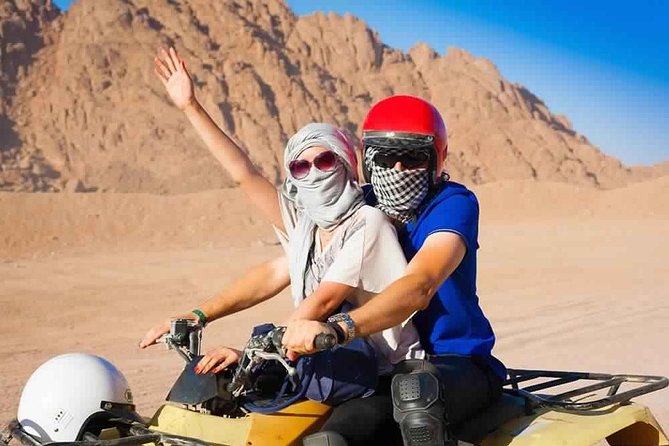
Millions of holidaymakers visit Sharm El Sheikh every year. Here is how to check the current travel advice, and the everyday precautions, from sun to sea to desert, that keep a trip trouble-free.
Sharm El Sheikh is a purpose-built resort town that welcomes holidaymakers from all over the world, and for most visitors the biggest risks are the everyday ones: the sun, the sea and the occasional over-eager salesman. Here is how to check the official picture before you go, and the practical habits that keep a holiday smooth.
Check the official travel advice
Security conditions are assessed by governments, not tour operators, and they can change. Before you book and again before you fly, read your own government's travel advice for Egypt and South Sinai (for example the UK's FCDO, the US State Department, or your country's foreign ministry). It tells you which areas are covered, any current restrictions, and what your travel insurance requires.
In Sharm El Sheikh itself you will notice security measures that are part of everyday life: airport-style screening at the airport and many hotels, and checkpoints on the main roads.
Sun and heat
The most common problem for visitors is simply too much sun.
- Drink water constantly, especially on summer excursions.
- Use high-factor sunscreen and reapply after swimming; wear a hat and sunglasses.
- From June to September, choose morning or late-afternoon tours and rest in the middle of the day; see the best time to visit.
At sea
- Don't touch anything on the reef. Lionfish, stonefish, sea urchins and fire coral can all cause painful injuries; our Red Sea fish guide shows what to avoid.
- Wear reef shoes when walking into the sea from the shore.
- Use a life jacket if you are not a strong swimmer, and snorkel with a buddy.
- Follow the crew and beach staff. They know the currents and will choose sheltered spots. Shark incidents in the Red Sea are rare; if a beach is closed or a flag is raised, stay out of the water.
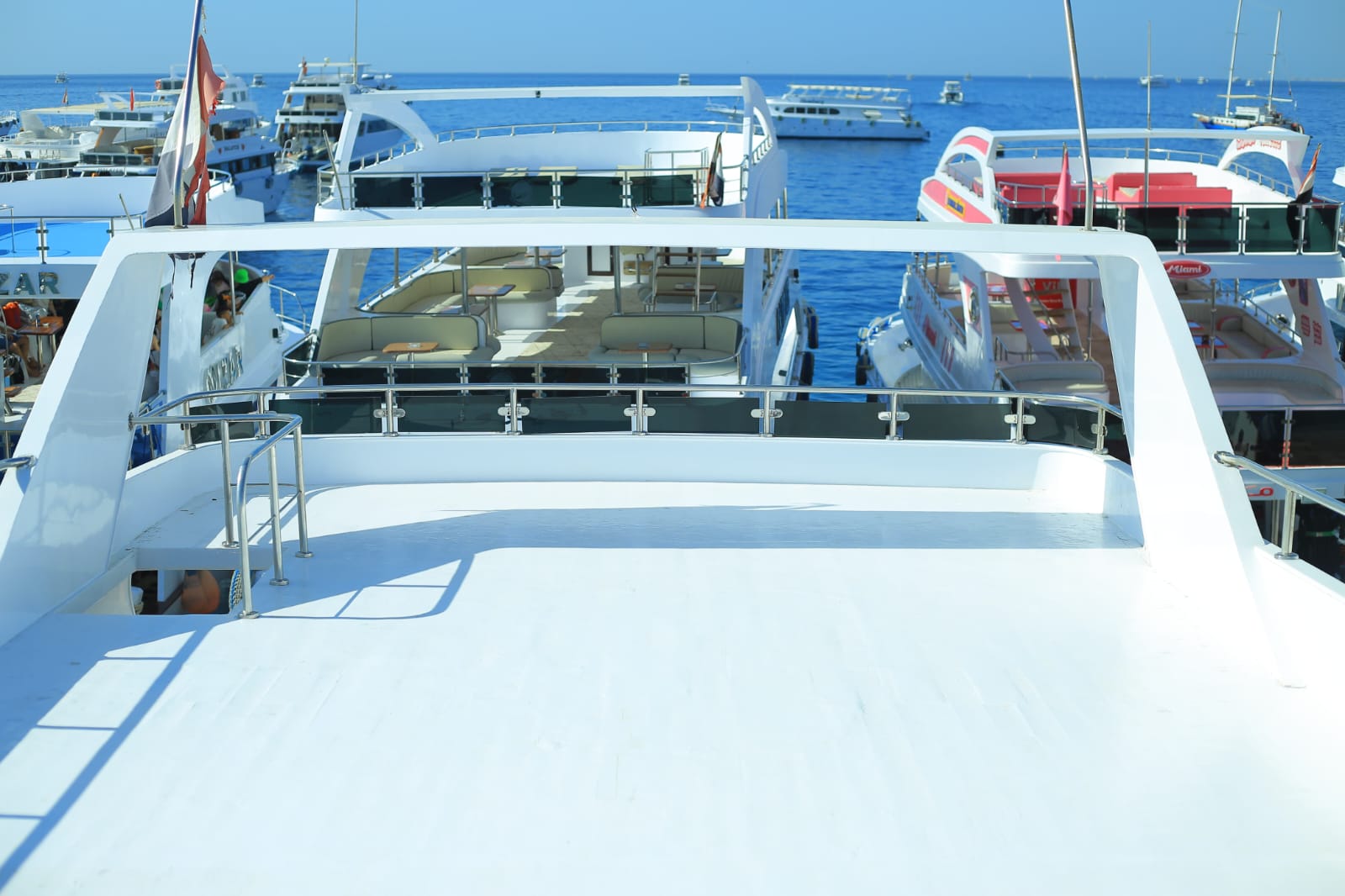
- Respect the sun on deck. Boat days are long and the reflection off the water is strong.
On desert safaris
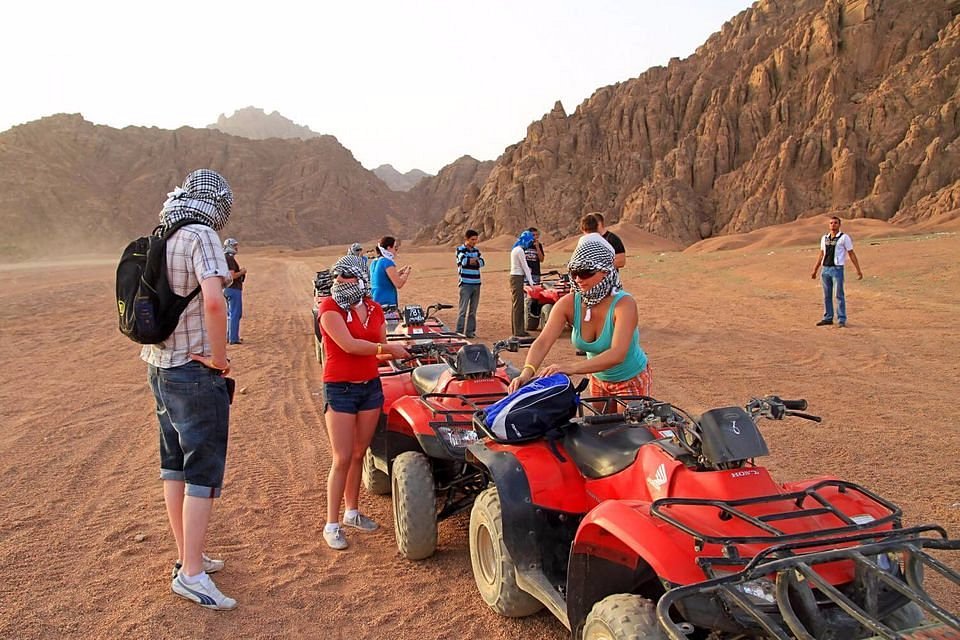
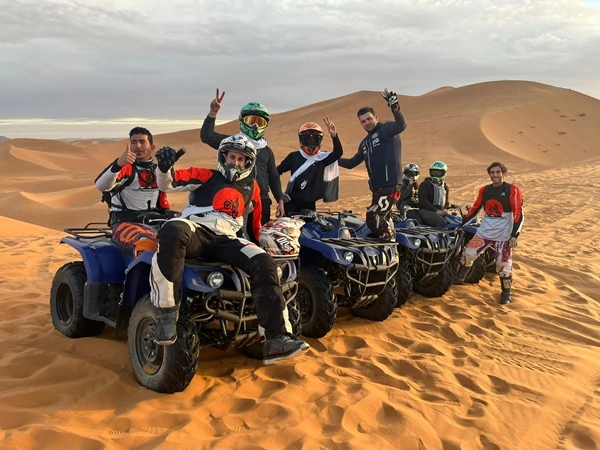
- Wear the helmet and listen to the safety briefing.
- Keep your distance from the quad or buggy in front, and follow the guide's line.
- Cover your face with a scarf and wear sunglasses against dust.
- Book with an established operator that includes helmets, guides and insurance-backed transport. All of our desert safaris include a safety briefing, helmets and a guide.
Getting around
- Agree taxi fares before getting in, or ask your hotel to call a taxi.
- Use the hotel pickup included with your tours rather than arranging your own transport.
- Keep valuables in the hotel safe and carry only what you need.
Food and water
- Drink bottled or filtered water, and be cautious with ice and salads outside hotels and established restaurants.
- Bring rehydration sachets and something for an upset stomach just in case.
- Wash or sanitise your hands before eating.
Respecting local customs
Egypt is a conservative country, though resorts are relaxed. Cover shoulders and knees in the Old Market and when visiting mosques, ask before photographing people, and avoid photographing police, military or security installations.
Frequently asked questions
Is it safe to travel to Sharm El Sheikh?
Sharm El Sheikh welcomes large numbers of holidaymakers every year and has visible security at the airport, hotels and on the roads. Conditions can change, so always check your government's current travel advice for South Sinai before booking and travelling.
What are the main risks for tourists in Sharm El Sheikh?
For most visitors the main risks are everyday ones: sunburn and dehydration, cuts and stings from coral and marine life, and stomach upsets. Simple precautions, such as drinking water, wearing reef shoes and not touching the reef, prevent most problems.
Are desert safaris in Sharm El Sheikh safe?
Yes, when run properly. Choose a tour that includes a safety briefing, helmets and a guide who leads the group, keep your distance from the vehicle in front, and follow the guide's instructions.
Is the tap water safe to drink in Sharm El Sheikh?
Visitors are advised to drink bottled or filtered water. Hotels and tour boats provide bottled water.
Ready for Your Desert Adventure?
Book now & get instant confirmation • Tours from €15/person
Share this article
Help others discover this guide
Start Your Sharm El Sheikh Adventure Today
Experience the magic of Egypt's desert landscapes with our expertly guided tours. From thrilling quad bike safaris to serene camel rides under the stars.
Related Experiences You Might Enjoy
 From €25.00⭐ 4.50
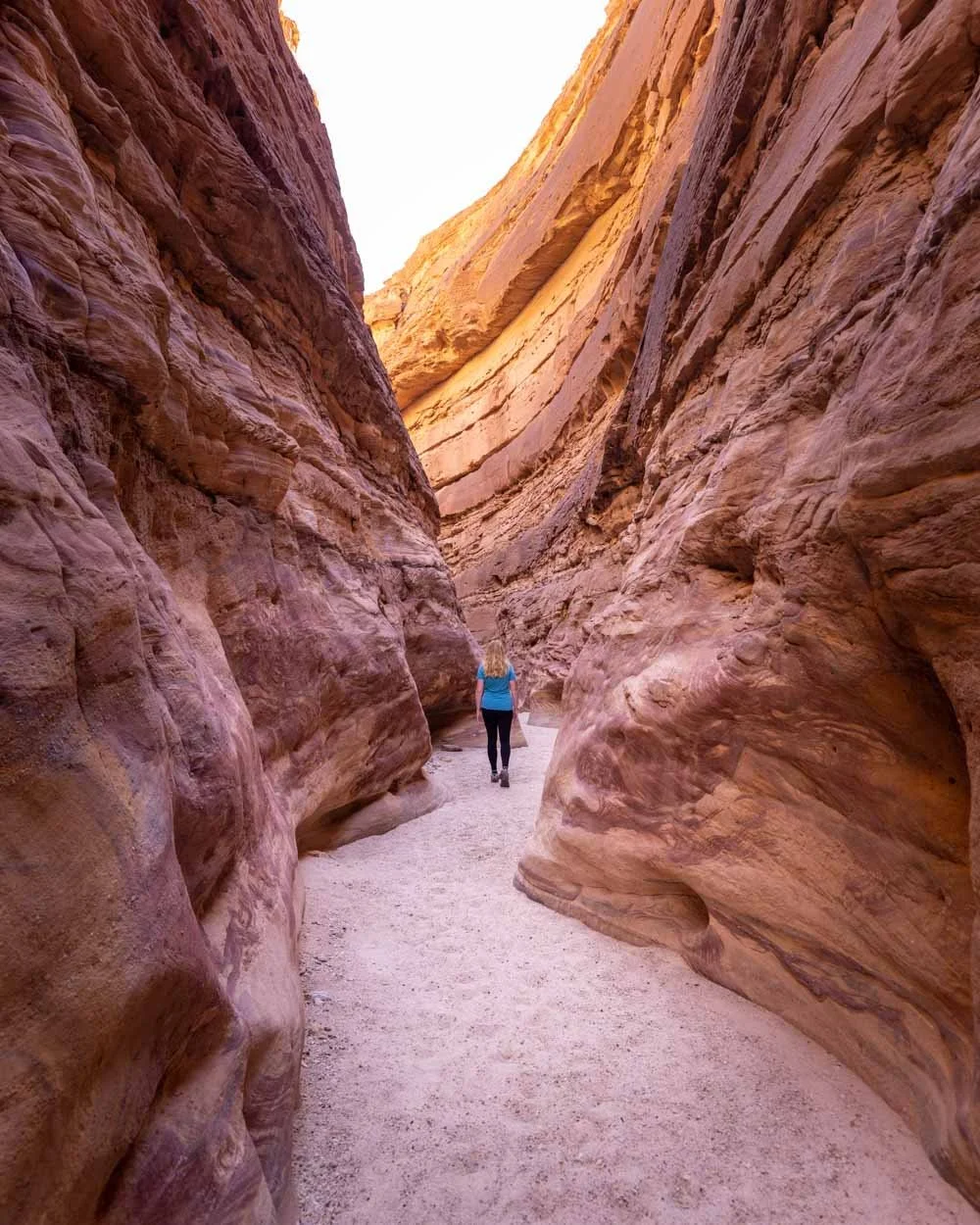
Explore Colored Canyon Dahab
Explore the Colored Canyon, ride a camel to Dahab, quad bike through the desert, snorkel at 3 Pools — all in one incredible full-day adventure from Sharm El Sheikh.
View Experience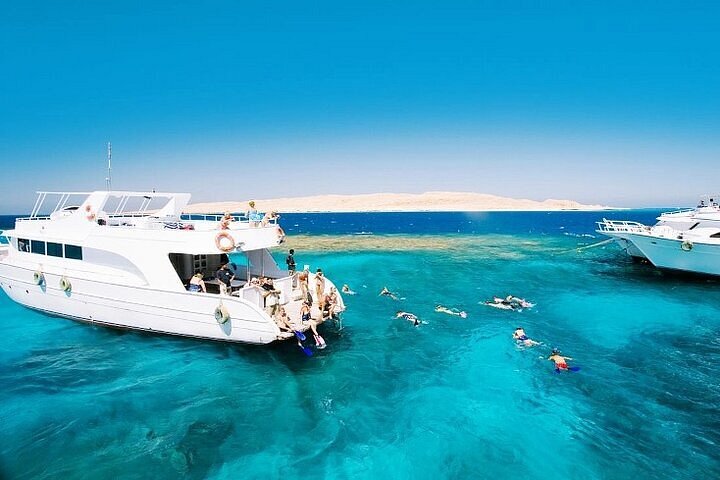 From €28.00⭐ 5.00
Explore Tiran Island Snorkeling Trip From Sharm El Sheikh
Full-day snorkeling cruise to Tiran Island with 3 snorkeling stops, lunch on board, and hotel transfers included.
View Experience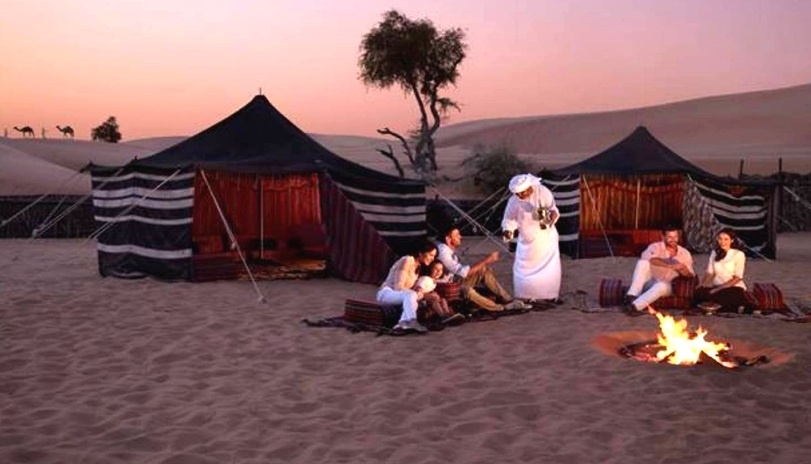 From €24.00⭐ 4.90
Explore Super Safari From Sharm El Sheikh
The ultimate evening desert adventure: quad biking, camel ride at sunset, Bedouin dinner and traditional shows — hotel pickup included.
View Experience
Related Articles
Where to Stay in Sharm El Sheikh: Naama Bay, Sharks Bay, Nabq or Hadaba?
Sharm El Sheikh is a string of bays spread along 30 km of coast, and the area you pick shapes your whole holiday. Here is how Naama Bay, Sharks Bay, Nabq, Hadaba and Old Market compare, from people who drive between them every day.
Sharm El Sheikh Visa Guide: Sinai Stamp, Visa on Arrival or E-Visa?
Many visitors to Sharm El Sheikh can enter on a free Sinai-only stamp, but it has limits that matter if you plan day trips. Here is how the stamp, the visa on arrival and the e-visa compare.
Money in Sharm El Sheikh: Currency, Cards, Tipping and Bargaining
Sharm El Sheikh runs on a mix of Egyptian pounds and foreign currency, and tipping is part of everyday life. Here is how to pay, how much to tip, and how to bargain without stress.